Lightning Safety for Hikers: What the NPS and NWS Advise
No place outside is fully safe in a thunderstorm. Here is how the National Park Service and National Weather Service rank your options.
We may earn a commission when you buy through links on this page, at no extra cost to you. This does not change which products we cover. How we make money.
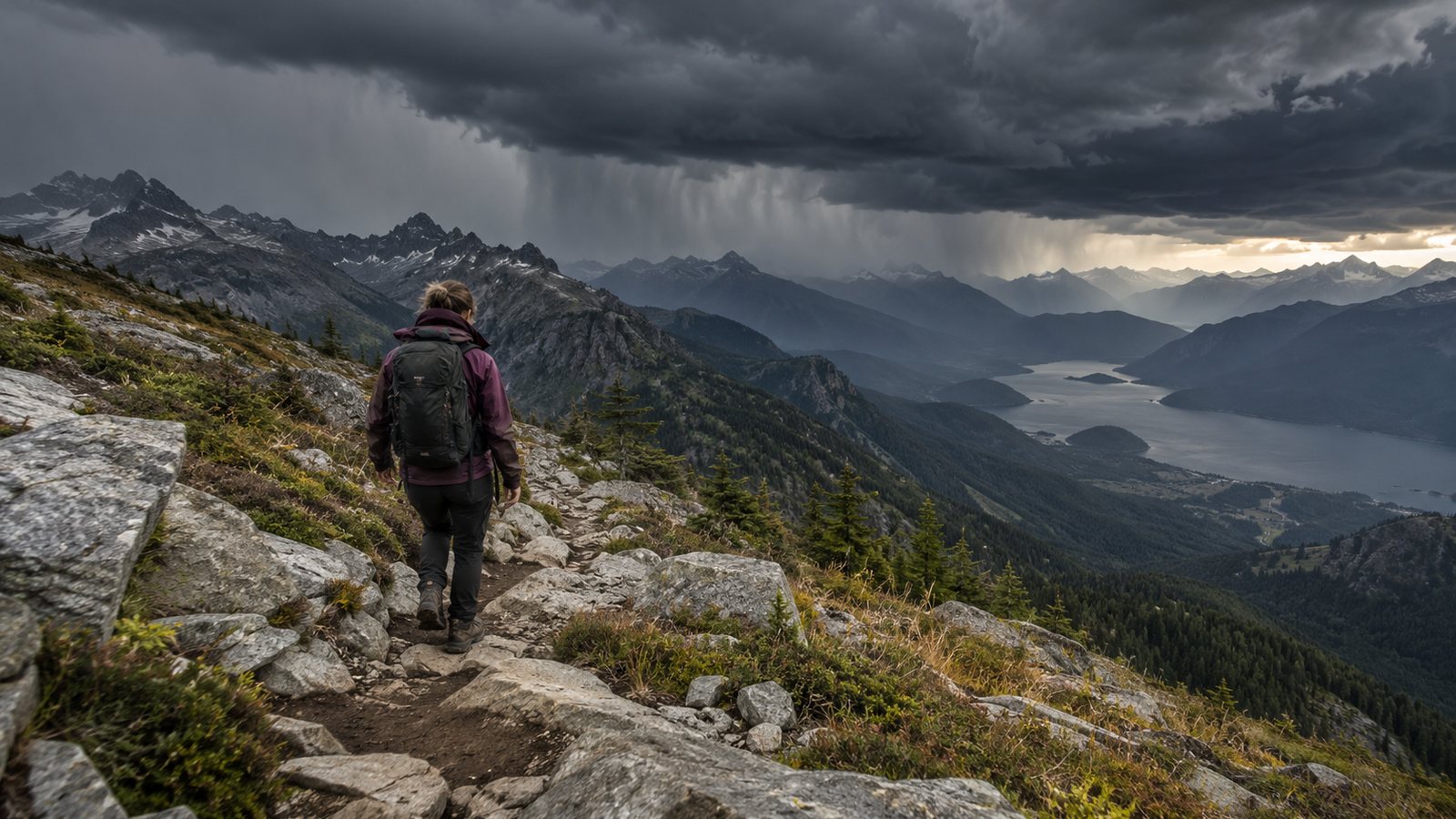
Afternoon thunderstorms are common in the mountains in summer. Rocky Mountain National Park says lightning flashes there are common from June through September. The core advice is simple: if you can hear thunder, you are within range of the storm.
Before you go
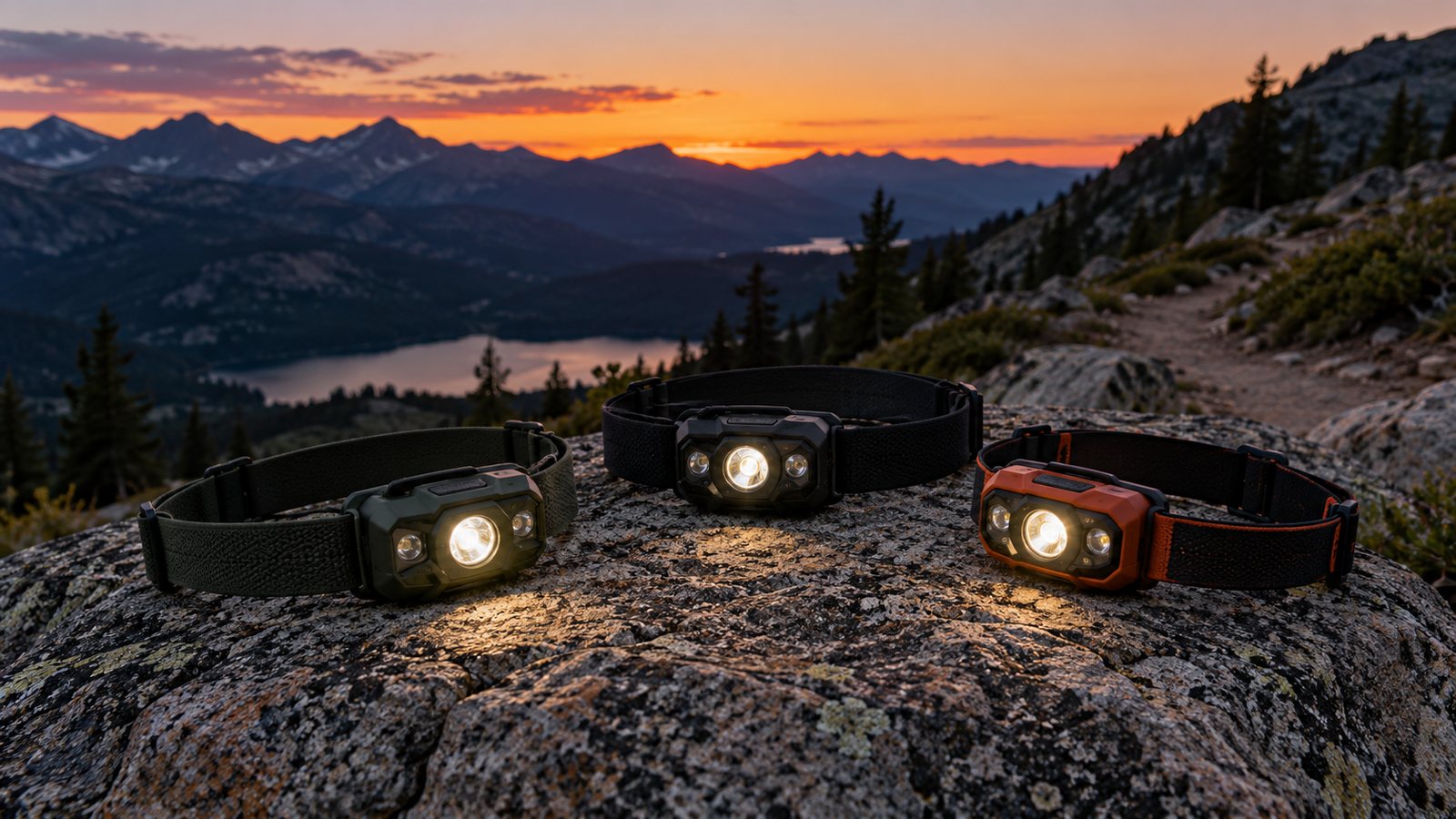
Check the forecast and plan to be off peaks and exposed ridges before storms build. This is the first Leave No Trace principle, and it doubles as a safety rule. Carry a headlamp in case shelter-and-wait pushes your hike past sunset. See our best hiking headlamps.
Where to go: the risk scale
The NPS ranks places from 0 (highest risk) to 10 (safest):
- 0: the top of the tallest peak, above treeline.
- 1: near a summit or on open slopes above treeline, in caves or rock shelters, on open water, or near streams and boggy ground.
- 2: descending through a dry gully or lower area.
- 3: low spots below treeline, or at the base of a cluster of low trees.
- 10: inside a building or a hard-topped vehicle.
If you cannot reach a safer place
The NPS says to:
- Get off peaks and exposed slopes right away.
- Avoid tall trees, fences, power lines and poles.
- Never shelter under a cliff, in a cave or under an overhang. Lightning can travel through rock.
- Do not lie flat. Crouch on your pack with your hands behind your head, in a position you can hold for 20 to 30 minutes.
- Wait at least 30 minutes after the last thunder.
Camping
Tents have metal poles. In an exposed spot, the NPS advises leaving the tent and sheltering near a grove of trees in the lightning position. Move away from lakes and streams.
Poles and lightning
The NPS lists metal objects among things to keep away from. Our reading: aluminum trekking poles count as metal, so set them down away from you while you shelter.
Frequently asked questions
How far away can lightning strike?
The National Park Service says you can hear thunder about 10 miles from a strike, and lightning can strike 10 miles out from a storm. If you can hear thunder, you are likely within striking distance.
Should I lie flat on the ground?
No. The NPS says not to lie flat. Crouch to reduce contact with the ground, ideally on your pack, with your hands behind your head.
How long should I wait after a storm?
Shelter for at least 30 minutes after the last thunder, per the NPS and NWS.